


Imagine waking up to the sound of chirping birds instead of blaring alarms, sipping coffee brewed from your own beans while basking in the glow of sunlight streaming through your window. Homesteading off the grid isn’t just a lifestyle; it’s a delightful escape from the chaos of modern living. It’s about trading in the hustle and bustle for a life where you’re in charge of your own destiny—complete with chickens, a thriving garden, and maybe even a goat named Gary.
But let’s be real. The idea of living off the grid can feel as daunting as trying to teach a cat to fetch. Yet, with the right tips and a sprinkle of humor, anyone can turn their homesteading dreams into reality. So if you’re ready to swap your 9-to-5 for a life filled with fresh produce and the occasional goat shenanigans, this guide is your ticket to a greener, more fulfilling lifestyle.
Homesteading Off the Grid
Homesteading off the grid refers to a lifestyle centered on self-sufficiency and minimal reliance on public utilities. This practice involves creating a self-sustaining household in a location removed from urban amenities. Individuals engage in diverse activities, such as growing vegetables, raising livestock, and using renewable energy sources.
Growing food represents a fundamental aspect of off-grid living. Gardens can supply fresh produce while reducing grocery expenses. Raising animals, like chickens or goats, adds variety to diets and offers natural fertilizer for crops.
Water accessibility plays a crucial role in this lifestyle. Collecting rainwater or drilling wells provides essential hydration and irrigation. Energy independence also remains a priority, with solar panels or wind turbines supplying power.
Building skills for self-reliance becomes essential for successful homesteading. Skills range from gardening techniques to animal husbandry and woodworking. Knowledge of food preservation methods, such as canning or drying, ensures sustenance throughout the year.
Community interaction represents another significant factor. Connecting with like-minded individuals fosters support and shared resources. Local food swaps and workshops allow for knowledge exchange, enhancing the homesteading experience.
Choosing to embrace this way of living often stems from a desire for a closer connection to nature. The goal centers around starting a journey toward sustainability and personal fulfillment. Aspiring homesteaders find motivation in the possibility of enriching their lives while preserving the environment.
Benefits of Homesteading Off the Grid
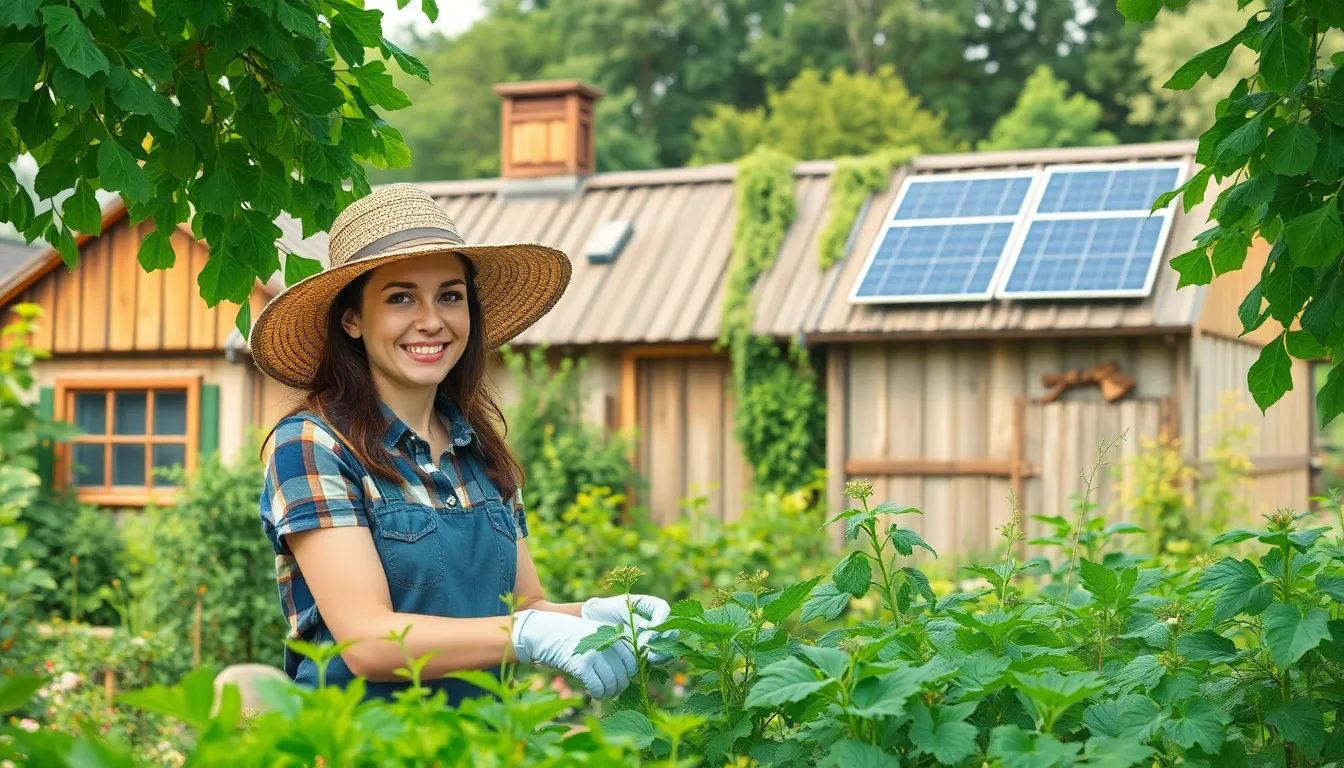
Homesteading off the grid offers numerous advantages that enhance lifestyle and well-being. Embracing this compelling alternative to traditional living allows individuals to enjoy financial independence, sustainable living, and a deeper connection to nature.
Financial Independence
Achieving financial independence becomes feasible through homesteading. Growing food reduces grocery bills significantly, which saves money over time. Raising livestock adds dietary diversity while providing additional sources of income. Selling excess produce or products creates supplemental revenue streams. Avoiding conventional utility bills contributes to long-term savings. Budgeting for initial investments in equipment pays off as self-sufficiency increases. Living off the grid empowers individuals to minimize reliance on external financial systems.
Sustainable Living
Sustainable living thrives in an off-grid homesteading environment. Utilizing renewable energy sources such as solar panels and wind turbines minimizes carbon footprints. Rainwater harvesting systems provide fresh water for irrigation and consumption. Organic gardening practices encourage healthy soil and biodiversity. Composting food waste recycles nutrients, enhancing garden productivity. Adopting eco-friendly practices directly supports environmental conservation efforts. Choosing sustainability leads to a healthier lifestyle, better for both individuals and the planet.
Connection to Nature
Connecting to nature deepens the experience of homesteading. Engaging with plants, animals, and natural cycles fosters a profound appreciation for the environment. Daily interactions with the earth build mindfulness and awareness. Spending time outdoors promotes physical activity, positively impacting health and well-being. Observing wildlife creates opportunities for learning about ecosystems. Living closer to nature reinforces the importance of responsible stewardship. A harmonious relationship with the environment enhances overall fulfillment in life.
Essential Skills for Homesteading Off the Grid
Mastering essential skills greatly enhances success in homesteading off the grid. Individuals who cultivate these abilities experience increased self-sufficiency and fulfillment.
Gardening and Food Preservation
Gardening techniques form the foundation of a successful homesteading venture. Individuals learn to grow a variety of fruits and vegetables, providing fresh produce throughout the year. Acquiring knowledge in soil management, crop rotation, and companion planting further boosts yield and sustainability. Food preservation methods such as canning, dehydrating, and fermenting extend the life of homegrown harvests. These practices reduce reliance on grocery stores and ensure a diverse diet year-round.
Livestock Management
Animal husbandry contributes significantly to a self-sustaining lifestyle. Raising chickens for eggs or goats for milk provides essential protein sources and minimizes grocery costs. Learning to care for different animals, including their feeding, housing, and health needs, enhances homesteading productivity. Regular interaction with animals fosters a deeper appreciation for nature and encourages sustainable practices, such as using animal waste for fertilizer. Effective livestock management creates harmony within the homestead ecosystem.
Energy Independence
Achieving energy independence is crucial for off-grid living. Implementing solar panels or wind turbines generates sustainable electricity that powers daily activities. Understanding energy consumption and storage effectively maximizes energy efficiency. Individuals often incorporate backup systems like generators or batteries to ensure power availability during low-production periods. Prioritizing energy independence reduces reliance on public utilities and contributes to overall self-sufficiency in homesteading.
Setting Up Your Off-Grid Homestead
Creating an off-grid homestead involves intentional planning and thoughtful resource management. Every choice counts in developing a functional and sustainable living environment.
Choosing the Right Location
Location selection plays a pivotal role in off-grid success. Ideal sites feature fertile land with good sunlight exposure and natural resources. Proximity to water sources, like rivers or lakes, needs consideration to ensure accessibility. Soil quality should also be tested to determine its capacity for growing crops. Furthermore, evaluate local climate conditions to understand seasonal variations. Rural areas often offer more space and fewer regulations, making them perfect for homesteading activities. Being mindful of proximity to communal resources boosts collaboration opportunities.
Building Your Shelter
Shelter design varies based on personal needs and local climate. Choosing durable materials influences long-term viability and energy efficiency. Sustainable options include straw bales, cob, or reclaimed wood. Proper insulation protects against extreme temperatures, ensuring comfort year-round. Utilize passive solar design to maximize natural light and reduce energy consumption. Orientation should align with sunlight patterns for optimal heating. Consider including rain-catching roofs to harness water. Additionally, ensuring adequate ventilation enhances air quality and maintains a healthy living space.
Water and Waste Management
Effective water management ensures hydration and crop irrigation. Rainwater harvesting systems capture precipitation for everyday use. Installing wells provides reliable groundwater access, while filtration systems keep it clean. Waste management requires thoughtful planning to minimize environmental impact. Composting toilets convert waste into valuable fertilizer, promoting recycling of nutrients. Graywater systems allow reuse of water from sinks and showers for irrigation. Keeping waste disposal manageable improves overall hygiene and aesthetics. Sustainable approaches foster harmony between homesteading and the environment.
Challenges of Homesteading Off the Grid
Transitioning to off-grid homesteading presents distinct challenges that potential homesteaders must confront. Resource accessibility often proves difficult. Obtaining reliable water sources requires methods such as drilling wells or implementing rainwater collection systems. Limited water availability can complicate gardening and livestock care.
Energy sourcing can be another hurdle. Utilizing renewable energy sources, like solar panels or wind turbines, requires initial investment and ongoing maintenance. Not all locations provide consistent energy output, making careful site selection vital for energy efficiency.
Skill development is essential in overcoming challenges. Individuals must learn diverse abilities, such as gardening techniques, animal husbandry, and food preservation methods. These skills take time to master; continual education in these areas ensures self-sufficiency and satisfaction.
Isolation may create social difficulties for those pursuing off-grid living. Limited access to community resources can hinder support networks. Connecting with like-minded people often facilitates the sharing of knowledge and resources. Techniques for building such networks help ease feelings of solitude while enhancing skills.
Financial concerns frequently arise during the transition to off-grid living. Initial costs for land acquisition and necessary equipment can be substantial. Budgeting effectively and exploring low-cost alternatives, like barter systems, enhances financial stability.
Time management is crucial when balancing homesteading tasks alongside personal obligations. Daily responsibilities include growing food, maintaining livestock, and managing energy sources. Prioritizing tasks systematically ensures all essential areas receive adequate attention.
Understanding these challenges prepares homesteaders for the realities of off-grid living. Each issue presents an opportunity for resourcefulness and ingenuity, encouraging resilience in the pursuit of a self-sufficient lifestyle.
Conclusion
Homesteading off the grid offers a transformative journey toward self-sufficiency and a deeper connection to nature. By embracing this lifestyle, individuals can cultivate not only their own food but also a sense of fulfillment and independence. While challenges may arise, the rewards of financial freedom and sustainable living make the effort worthwhile.
Building essential skills and fostering community ties enhances the overall experience, making the transition smoother and more enjoyable. With careful planning and a commitment to learning, anyone can embark on this enriching path. Ultimately, off-grid homesteading is more than a way of living; it’s a lifestyle choice that nurtures both the individual and the planet.