


California isn’t just about sun-soaked beaches and Hollywood dreams; it’s also a paradise for aspiring homesteaders. Imagine trading the hustle and bustle of city life for fresh air, homegrown veggies, and the satisfaction of living off the land. Who wouldn’t want to channel their inner pioneer while sipping organic lemonade on a porch made from reclaimed wood?
Homesteading In California
California offers diverse landscapes that cater to various homesteading practices. From coastal regions to fertile valleys, aspiring homesteaders find ample opportunities to create a self-sufficient lifestyle. Vegetable gardens thrive in the rich soil of Napa Valley, providing fresh produce year-round. In the Sierra Nevada foothills, people often explore ranching activities, raising livestock for meat, milk, and eggs.
Interested individuals can benefit from California’s mild climate, which supports year-round growing seasons. Numerous crops, such as tomatoes, peppers, and herbs, flourish in sunny conditions. They can also cultivate fruit trees, including oranges, avocados, and apples, leading to a diverse diet.
Land accessibility influences homesteading opportunities. The eastern Sierra offers larger parcels suited for those seeking spacious living. Alternatively, coastal areas provide smaller lots, ideal for urban homesteaders looking to maximize space through vertical gardening and container farms. Resources for land purchasing, such as local real estate agencies and online platforms, simplify this process.
Community connections form the backbone of successful homesteading. Numerous organizations and social media groups exist where like-minded individuals share tips, skills, and resources. Workshops on topics such as permaculture, organic farming, and food preservation draw participants eager to learn new methods.
Sustainability remains a central focus for California homesteaders. They often incorporate solar energy systems and rainwater harvesting techniques to reduce dependency on traditional utilities. Efficient practices like composting enhance soil quality and minimize waste, contributing to an eco-friendly lifestyle.
Benefits Of Homesteading
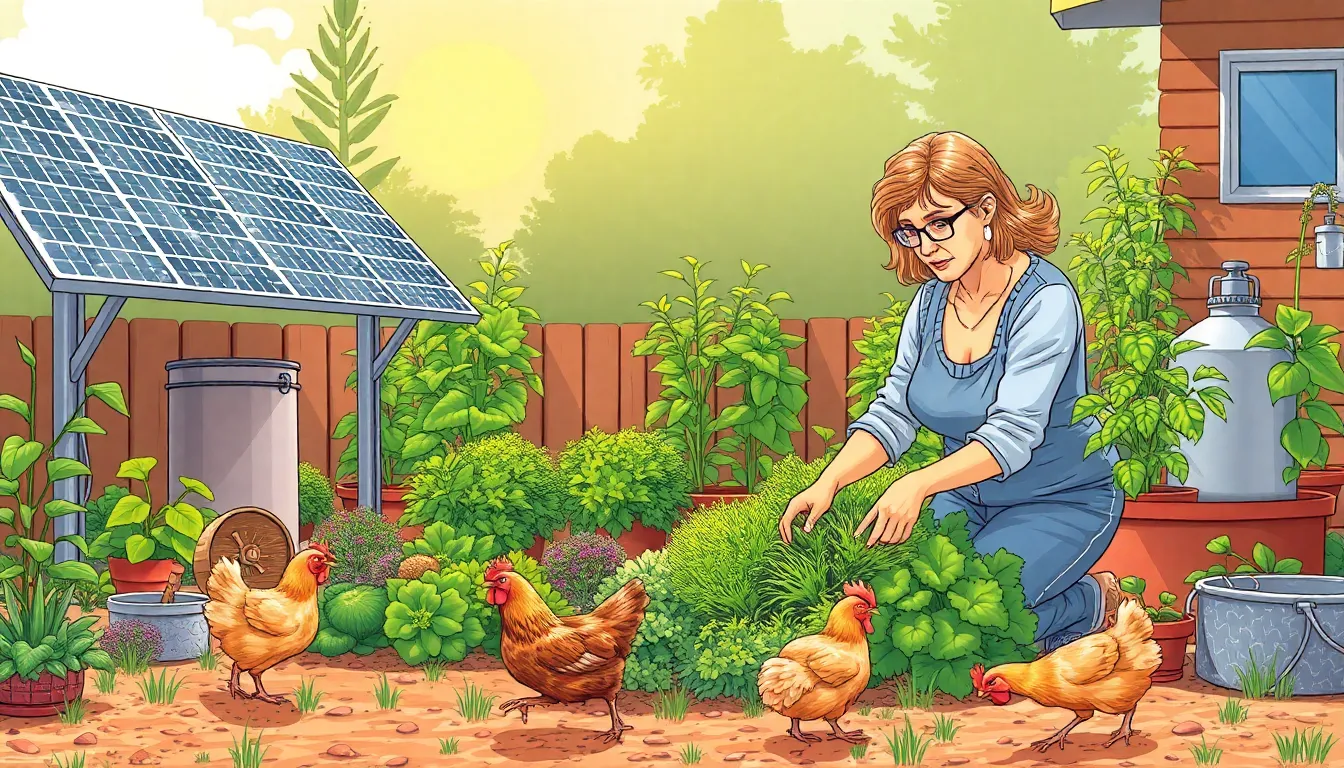
Homesteading in California offers numerous advantages for those seeking a sustainable lifestyle. Embracing a self-sufficient way of life fosters independence and environmental stewardship.
Sustainable Living
Sustainable living remains a core principle of homesteading. Individuals prioritize eco-friendly practices such as solar energy, which reduces reliance on fossil fuels. Rainwater harvesting systems collect precious water, helping conserve this vital resource. Many homesteaders engage in composting methods that enrich soil while minimizing waste. The ability to grow organic vegetables and fruits leads to a healthier diet and reduces dependence on store-bought produce. Community support often enhances these sustainable practices, with numerous local groups advocating for environmental responsibility and resource sharing.
Self-Sufficiency
Self-sufficiency defines the essence of homesteading. Individuals learn essential skills like gardening, animal husbandry, and food preservation. Mastering these skills fosters confidence and builds resilience against economic fluctuations. By producing their own food, homesteaders lessen their reliance on grocery stores and contribute to food security. Moreover, many connect with others through workshops and co-ops, exchanging knowledge and resources. This sense of community reinforces the importance of self-reliance while enriching the overall homesteading experience.
Choosing The Right Location
Selecting the right location significantly impacts the success of a homesteading venture in California. Several factors influence this important choice.
Factors To Consider
Climate plays a vital role in determining the right homesteading site. A warm climate supports extended growing seasons, benefiting crops and fruit trees. Soil quality is equally important; fertile soil yields more productive gardens. Water availability must also be assessed, especially in drier areas where irrigation is crucial. Accessibility to resources like markets and community support networks enhances homesteading experiences. Affordable land prices vary across regions, making budget considerations essential before committing to a purchase.
Popular Regions For Homesteading
California’s diverse geography offers ideal settings for various homesteading styles. The Napa Valley stands out for its rich soil, attracting gardeners and small-scale farmers. Sierra Nevada foothills appeal to those interested in ranching and livestock. Central Coast regions provide a unique temperate climate, supporting year-round cultivation of fruits and vegetables. Inland areas, such as the San Joaquin Valley, offer larger parcels of land at lower prices, catering to extensive homesteading projects. Each region contributes to a vibrant community of like-minded individuals seeking sustainable living solutions.
Legal Considerations
Navigating legal aspects is crucial for successful homesteading in California. Understanding local laws ensures compliance with state regulations and promotes a sustainable lifestyle.
Homesteading Laws In California
Homesteading laws in California focus on property rights and use. Specific provisions exist for agricultural activities, including the right to cultivate crops and raise livestock. Farmers’ markets require permits and certifications for selling homegrown produce. Various legislation governs water rights, particularly during drought conditions, enforcing restrictions on water usage. Compliance with organic certification may be necessary for selling products commercially. Knowledge of these legal parameters protects individuals from potential disputes and fosters responsible land stewardship.
Zoning Regulations
Zoning regulations vary widely throughout California, impacting homesteading practices. Local governments designate land use categories ranging from agricultural to residential. Properties zoned for agriculture offer greater flexibility in farm operations, while residential zones may impose restrictions on livestock keeping and structure modifications. Building permits become essential when constructing outbuildings or modifying existing structures. Zoning ordinances also affect the ability to host workshops or events on the property. Researching local zoning laws enhances successful implementation of homesteading plans.
Starting Your Homestead
Starting a homestead in California requires careful planning and access to essential resources. Homesteaders need to consider multiple factors to create a successful, self-sufficient lifestyle.
Essential Resources
Adequate access to water remains critical for any homesteading venture, especially in California’s diversely temperate climates. Soil quality affects crop yield, making it vital to test and amend soil as needed. Tools for gardening and farming enhance productivity and efficiency, ensuring crops receive the necessary care. Seeds from local nurseries are typically well-adapted, promoting successful growth for diverse plants. Livestock may play an essential role, offering products like eggs, milk, or meat that contribute to self-sufficiency. Community connections facilitate the sharing of resources and knowledge, fostering a supportive network for aspiring homesteaders.
Building Infrastructure
Building infrastructure involves strategic planning to create functional and sustainable spaces. Starting with shelter, many choose to design homes that blend into their surroundings while considering energy efficiency. Outbuildings for equipment storage or animal shelters provide necessary functionality, while water catchment systems help manage rainwater sustainably. Fencing becomes essential for protecting crops and livestock from wild animals. Creating composting systems can help recycle organic waste, enriching soil for future plantings. Establishing a greenhouse aids in prolonging the growing season, allowing for a wider variety of crops. Through careful infrastructure development, homesteaders build a foundation for thriving, self-sufficient living.
Conclusion
Homesteading in California offers a unique opportunity for individuals seeking a sustainable and self-sufficient lifestyle. With its diverse landscapes and favorable climate, aspiring homesteaders can cultivate their dreams while enjoying a strong sense of community. By embracing eco-friendly practices and focusing on self-reliance, they not only enrich their lives but also contribute to a healthier environment. The journey of homesteading is filled with challenges and rewards, encouraging personal growth and resilience. As they connect with local resources and fellow homesteaders, they build a supportive network that enhances their experience. California truly stands as a vibrant canvas for those ready to embark on this fulfilling path.